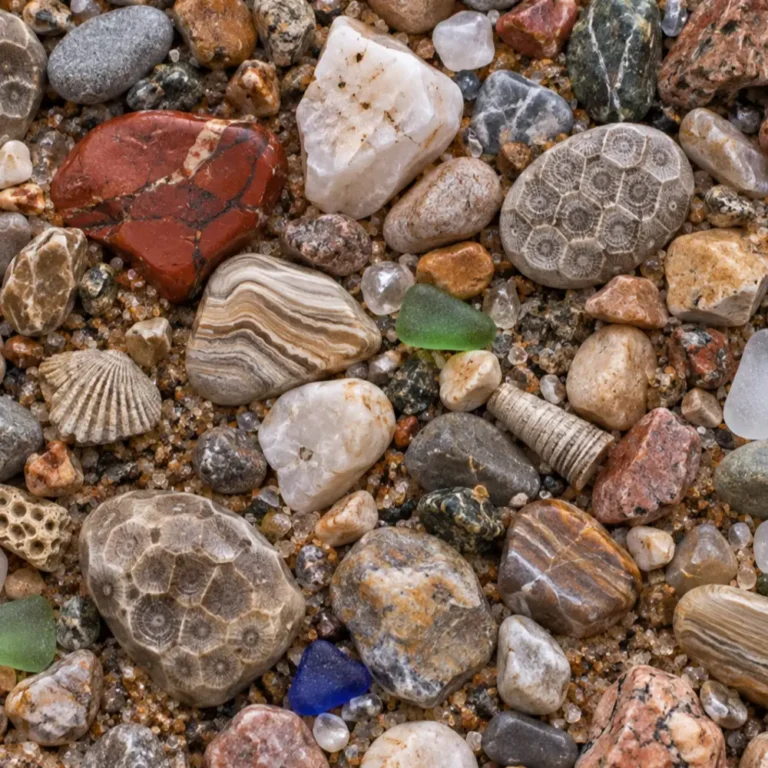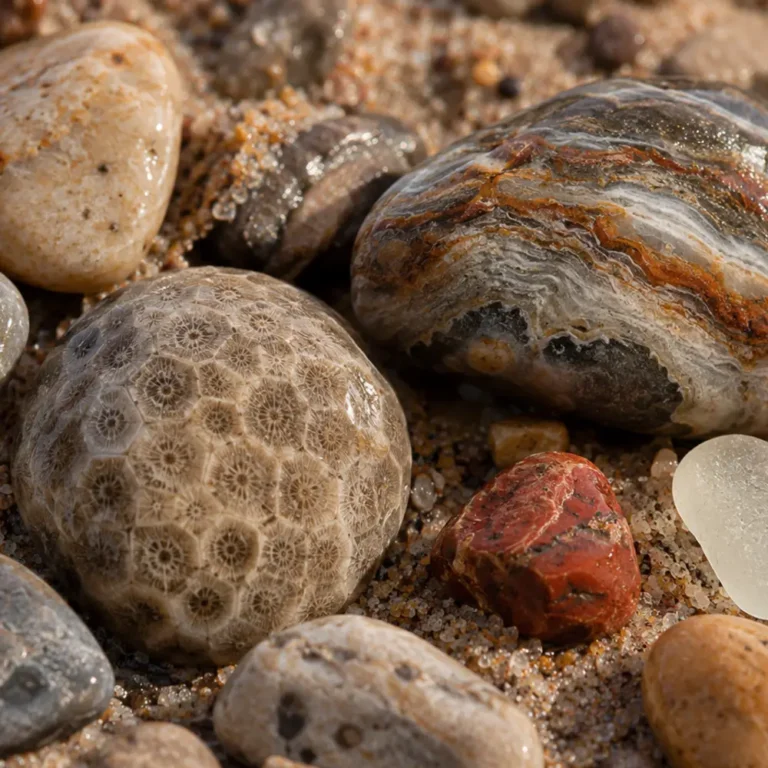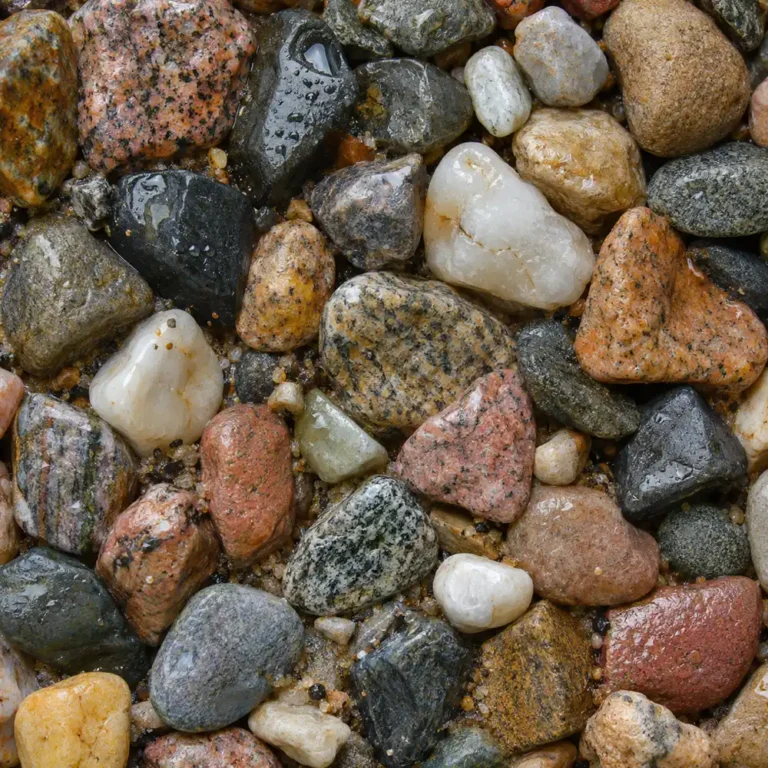
Lake Huron’s Michigan shore is fossil country: limestone layers full of Devonian corals, crinoids and brachiopods, plus Petoskey stones in the north and colorful puddingstones around Drummond Island. The best-known spots are around Alpena and Rogers City, where a former limestone quarry is open to fossil hunters, and the rocky shores of the eastern Upper Peninsula. On Michigan state land, you can collect up to 25 pounds of rocks, minerals and fossils per person per year.
| What you can find | What it is | Where |
|---|---|---|
| Devonian fossils (corals, crinoids, brachiopods) | Fossils from shallow tropical seas about 350–390 million years ago | Northeast Lower Peninsula, especially around Alpena and Rogers City |
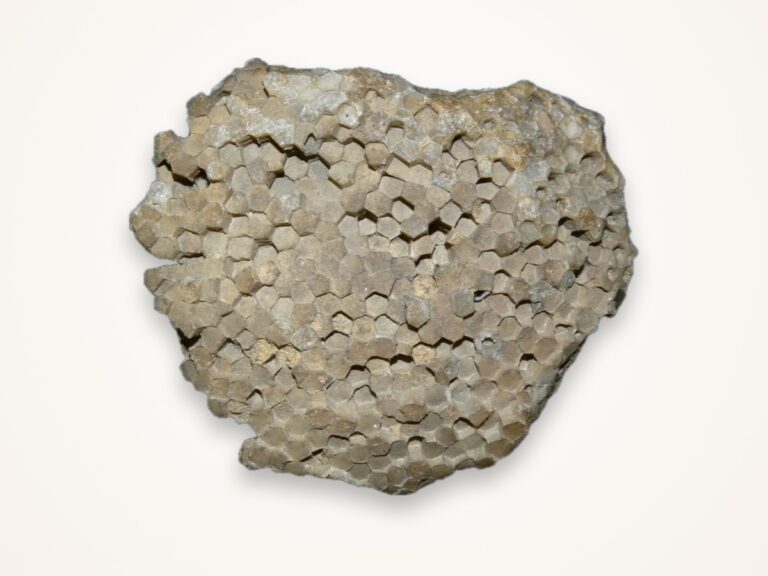
| Petoskey stone | Fossil colony coral with six-sided cells | Northern Lake Huron shores, less often than on Lake Michigan |
| Charlevoix stone | Honeycomb fossil coral without “eyes” | Northern shores |
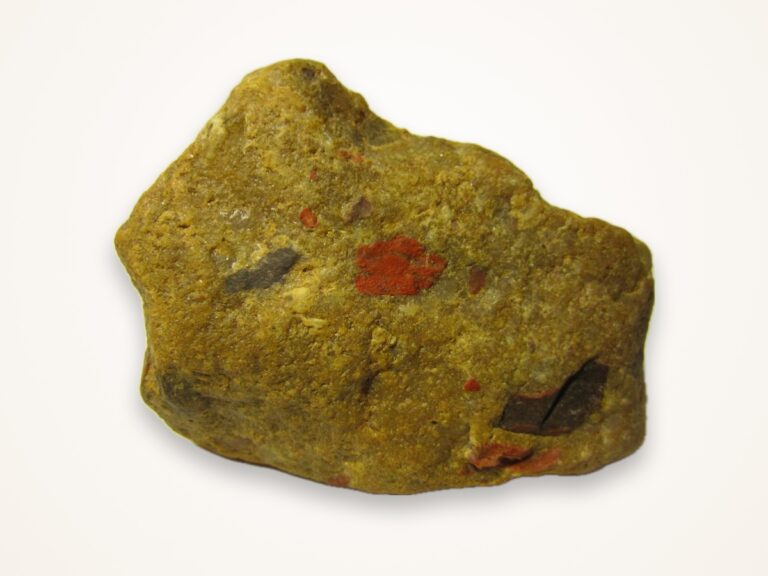
| Puddingstone | White quartzite studded with red and brown jasper pebbles | Drummond Island and the northern shore |
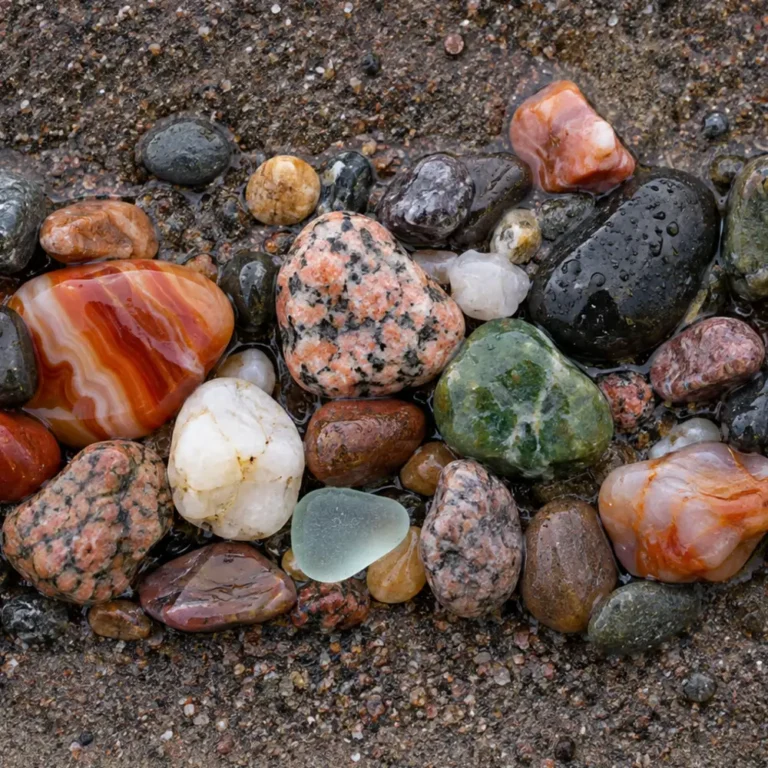
| Glacial stones | Granite, basalt and jasper carried from Canada | All along the shore |
| Beach glass | Old glass smoothed by the waves | Near towns and harbors |
Why Lake Huron is so rich in fossils
Hundreds of millions of years ago, warm, shallow seas covered Michigan. Corals, crinoids and shellfish lived on the sea floor, and their remains became layers of limestone and dolomite. Around Lake Huron, two families of rock matter for collectors:
- Middle Devonian limestones (the Traverse Group) around Rogers City and Alpena, which are full of fossils and are also the source of Petoskey stones.
- Silurian dolomite of the Niagara Escarpment, which runs through Drummond Island.
During the Ice Age, glaciers broke up these rocks, mixed them with stones from Canada, and spread them along today’s shoreline.
Where to look on Lake Huron
Alpena and Rogers City: fossil country
The northeast Lower Peninsula is one of the best fossil areas in Michigan. Rockport Recreation Area, near Alpena, is a former limestone quarry of about 300 acres managed by the Michigan DNR. It’s known for its Devonian fossils, and many collectors visit it to look for corals, crinoids and brachiopods within the state’s 25-pound yearly limit. A Recreation Passport is required for vehicle entry.
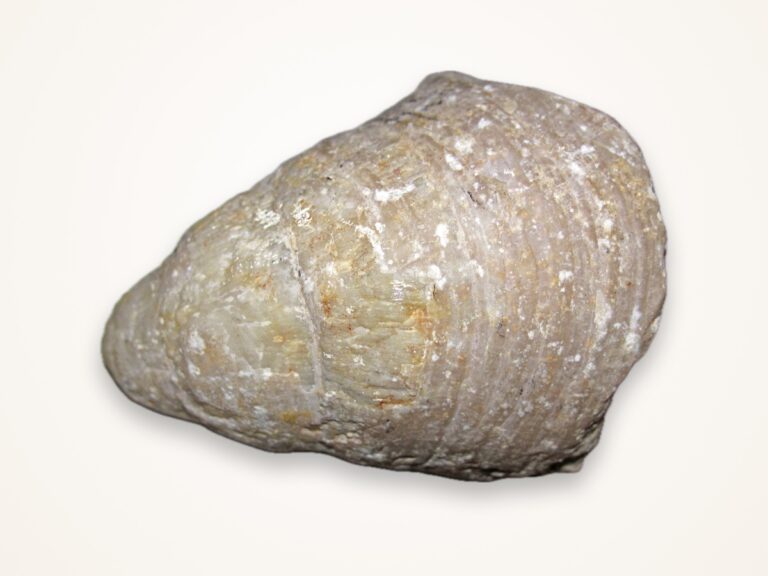
Drummond Island: puddingstone
Drummond Island, reached by ferry from DeTour Village at the eastern tip of the Upper Peninsula, is famous for puddingstone: a white quartzite conglomerate dotted with red jasper pebbles. Glaciers carried it from outcrops in Ontario and dropped it across the island. Some sites, like the Fossil Ledges, don’t allow collecting: obey posted signs.
The northern shores: Petoskey and Charlevoix stones
Petoskey stones are spread across Michigan’s Lower Peninsula “from Lake Michigan to Lake Huron,” so you can find them on Lake Huron’s northern beaches, though less often than on Lake Michigan. Wet the stones to see the pattern.
When to go
- Spring, after the ice goes out, when the beaches have been reworked.
- Right after storms, never during them, when waves turn over the gravel.
- On calm days for fossil hunting in the quarry, where you’ll be kneeling and searching slowly.
Can you take rocks from Lake Huron?
| Where | Can you collect? |
|---|---|
| Michigan state land (state parks, recreation areas like Rockport, state forests) | Yes, up to 25 lb per person per year in total, for personal use (Michigan Administrative Code R 299.922) |
| National parks and lakeshores | No |
| Posted sites (e.g., Fossil Ledges on Drummond Island) | No, if signs say so |
| Private land | Only with the owner’s permission |
| Ontario (Canadian shore) | Different rules: check with Ontario Parks or the landowner |
See our full guide to rock collecting rules.
Frequently asked questions
What rocks can you find on Lake Huron?
Devonian fossils (corals, crinoids, brachiopods), Petoskey and Charlevoix stones in the north, puddingstone around Drummond Island, and glacial stones like granite and jasper.
Can you find Petoskey stones on Lake Huron?
Yes, on the northern shores of the Lower Peninsula, but less often than on Lake Michigan.
Where can you find fossils on Lake Huron?
Around Alpena and Rogers City, including Rockport Recreation Area, a former limestone quarry known for Devonian fossils.
What is a puddingstone?
A conglomerate of white quartzite with red and brown jasper pebbles. Glaciers carried it from Ontario to Michigan, and Drummond Island is the best-known place to find it.
Explore more
- Petoskey stone guide
- Rockhounding in Michigan
- Lake Michigan rocks
- What to bring rockhounding
- Rock collecting rules
- Other Great Lakes: Lake Superior, Lake Michigan, Lake Erie, Lake Ontario
- Rockhounding by state: Michigan
Sources (8)
- Michigan Administrative Code R 299.922(hh): https://www.law.cornell.edu/regulations/michigan/Mich-Admin-Code-R-299-922
- Michigan Geological Survey (WMU), MGS Rockhounds: https://mgs.wmich.edu/education-and-outreach/corekids/mgs-rockhounds/
- Michigan Public, “Can you find Petoskey stones outside of Petoskey?” (July 31, 2026): https://www.michiganpublic.org/podcast/on-hand/2026-07-31/can-you-find-petoskey-stones-outside-of-petoskey
- Visit Alpena, Rockport State Park Recreation Area: https://www.visitalpena.com/visit-alpena/rockport-state-park-recreation-area/
- Michigan DNR, Rockport Recreation Area: https://www.michigan.gov/rockport
- Visit Drummond Island, Puddingstones: https://www.visitdrummondisland.com/puddingstones.html
- Wikipedia, “Jasper conglomerate”: https://en.wikipedia.org/wiki/Jasper_conglomerate
- Photo credits (via Wikimedia Commons; some backgrounds removed): Kdorse (CC BY-SA 3.0); James St. John (CC BY 2.0); Wilson44691 (public domain).
Last updated: November 29, 2026. Spotted something out of date? Tell us.